I knew I wanted to have my voice heard and cut through the noise, and it is from this that I found my way into journalism.
Antonia Shipley
I grew up in an area of Greater Manchester that made headlines for all the wrong reasons. News stories painted the community that I was from as a paradigm of the country’s problems, and it felt like there was a chasm between the stories about my town and the real people who lived there. I knew I wanted to have my voice heard and cut through the noise, and it is from this that I found my way into journalism.
As the first in my family to go to university, I was determined to use this opportunity to tell the stories of communities like mine. I cut my teeth on the student media scene. anchoring national stories about higher education in the lived experiences of students, particularly those from underrepresented backgrounds and later became one of the first interns on the Guardian’s Social Class Positive Action Scheme. I soon realised that good, tenacious journalism is the most powerful tool we have as a society.
Whilst I had dreamt of becoming a journalist, affording a journalism qualification felt intangible to me, hence, the bursary is completely life changing.
I’m excited to be able to fully dedicate myself to becoming the best journalist I can be, in particular I hope to delve into the world of multimedia journalism, learning new ways to reach audiences in accessible formats.
I have grown up with an innate curiosity about the world around me, finding joy in connecting with different communities and telling their stories. From studying postcolonialism and globalisation at University, to making my own explorations into culture as a writer and a creative, I’ve found that journalism is the best way to make a positive impact on the world around me.
My first entry into writing was through an internship at Mixmag, where I initially reported news items and music features, but found a love for intersectional stories exploring politics, social affairs and culture. Following this I spent time writing freelance alongside working in social housing, an experience which reinforced my distrust of dominant media narratives regarding underprivileged groups in society, further motivating me to have an impact in journalism beyond music, regarding wider societal issues.
The bursary will provide me with a unique opportunity to learn from and be mentored by the best in progressive media, whilst also opening the door to further education that I would otherwise be unable to afford, enabling me to fully devote myself to becoming the best journalist I can be.
I’m most excited for the feeling of breaking my first story with The Guardian, and the experience of working on different desks and exploring my scope of interests.
My interest in media grew from understanding spin and media narratives, how social class, race and gender shape what gets written, and how a journalist’s identity shapes a story’s realities. I also saw a general apathy in people who couldn’t follow the news, which sharpened my drive for accessibility, not just in newsrooms, but for those directly affected by these stories. I remain committed to engaging people with current affairs and politics, as these subjects affect us all.
My writing experiences started through my degree and Europinon, where I pitched my own ideas to an editor and produced them, covering unexplored political angels like debt trap diplomacy and poverty affecting students.
The UK media industry remains dominated by a narrow set of backgrounds, yet the narratives it produces are often presented as objective, when they are inherently shaped by perspective. Lived experience matters in journalism, and a wider range of lived experience matters more. The Scott Trust Bursary platforms exactly the perspectives UK media news needs, particularly at a time when polarisation is rising and the boundary between opinion and fact is increasingly difficult to define.
I’m looking forward to learning about the industry I am passionate about and starting a MA in Journalism at City, having a chance to explore how AI and social media are reshaping how people view the world.
My first ever work experience placement was at my local newspaper, a tiny news office at the back of my estate’s community hub. I knew I wanted to write, and journalism appeared to be the pathway that made the most sense. I strayed away from the career as I was told it wasn’t stable enough, but fortunately, my fight to inform the wider public on sociopolitical issues was stronger.
After studying Anthropology and International Development university, I began as a social media intern at a charity supporting young people transition into the creative industry with a focus on amplifying the voices of marginalised young people. I was asked if I would like to be on their newly formed press team and didn’t look back! Interviewing artists at We Out Here & Love Supreme festival, political conferences and street interviews.
The Scott Trust Bursary is important to me because it affirms to my younger self that representation is achievable and communities like mine can be given a voice in media. The impact of this bursary will allow me to undertake a masters in my dream field, and this would have been impossible without this bursary. Im excited to learn from professionals in the field and shape stories that reflect the realities of marginalised people.
I’m drawn to journalism as one of the few avenues where individuals can be placed at the heart of institutions. As a dual UK-EEA citizen living in a post-Brexit climate, I’ve experienced first-hand how shifts in the media landscape can shape the lives of entire groups and influence how they are perceived.
Through interviewing and writing about local people, I found a particular affinity for community journalism and for telling stories that can become
lost amongst wider headlines.
Studying Politics at LSE gave me the foundations to analyse structures at a macro level. Through grassroots campaign work with The3million and KILN Theatre, I applied this understanding at a community level, refining my writing by transforming raw, organic information into engaging and accessible stories. At Iconic Steps, a film production company, I developed my multimedia reporting skills by exploring how stories can be communicated through visual and audio formats.
The Scott Trust Bursary will give me the freedom to strengthen my craft without the financial pressures of entering journalism from a working-class background. At Goldsmiths, I look forward to developing my data journalism skills and contributing to EastLondonLines, exploring local stories across East and South London. I am also keen to gain newsroom experience through my placement at The Guardian, where I hope to expand my professional network and deepen my understanding of the industry.
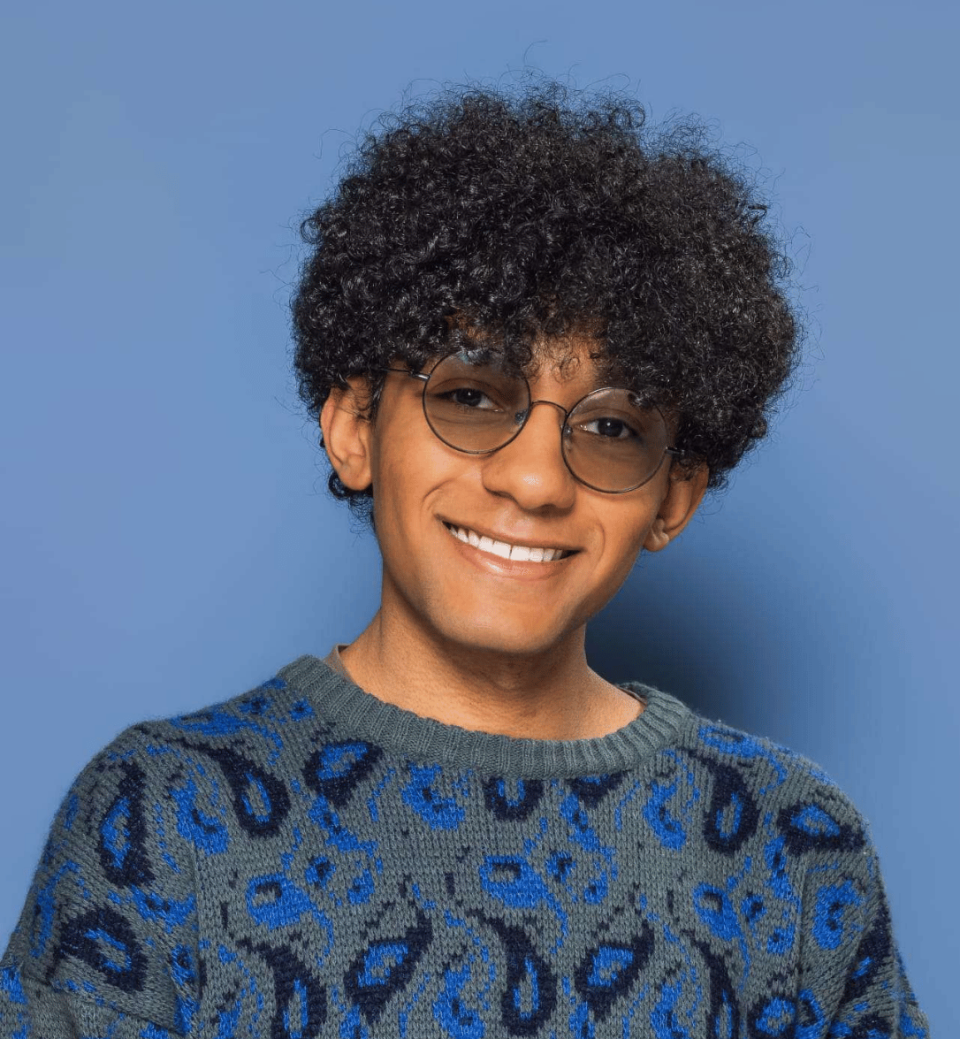
For me, speaking to people and learning about the diversity in different walks of life really compelled me to journalism. I think far too often the media misses the importance of representation that authentically captures the voices of the everyday person, especially those within marginalised communities.
Throughout my undergraduate studies, I undertook opportunities in different areas of student and local media. At the Ripple Newspaper I served as secretary, creating, guiding and editing stories with other budding student journalists like myself. Locally, I volunteered at the Leicester Gazette and through this experience I sharpened my understanding of news values and got a real sense of what fun journalism can be!
Words can’t fully describe how invaluable the Bursary will be in my future as a journalist. Between the opportunity to study at one of the UKs top journalism universities, paired with dynamic work placements, the scheme will no-doubt be a chance to really develop my practical skills as a fully-fledged journalist and learn from one of the biggest international news organisations in the world!
I think I'm most excited about meeting industry journalists and Scott Trust Bursary alumni because networking is so important in this industry, and to be a part of a scheme that has supported so many tenacious journalists in their early careers, is simply exhilarating!