It's your choice
When we make The Guardian Foundation available to you online, we use cookies and similar technologies to help us to do this.
Some are necessary to help our website work properly and can't be switched off, and some are optional but support The Guardian Foundation and your experience in other ways.
You can find out more in our privacy policy and cookie policy, and manage the choices available to you at any time by going to Manage Cookies at the bottom of any page.
Are you happy to accept cookies?
To manage your cookie choices now, including how to opt out where our partners rely on legitimate interests to use your information, click on Manage my cookies.

Emerging Voices Awards winners announced

We are thrilled to announce the winners and runners-up of the 2026 Emerging Voices Awards. To date, 13 young award winners have had opinion pieces published in the Guardian, opening a doorway to their careers and ensuring that their voices are heard on issues that matter to them.

19-25 age category

Winner: Will Parman

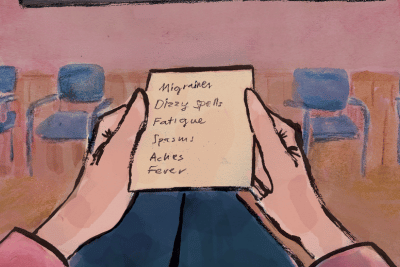
In his winning piece, Will argues for a transformation of NHS "Post-it note culture". By allowing patients to co-author their own digital medical records, Will suggests the NHS can ensure greater data accuracy and better health outcomes. The judges praised Will's original angle on a complex and underreported issue. They highlighted his confident voice, strong structure, and the seamless integration of up-to-date research with compelling personal insight. Described as both “true and new,” the piece was seen as emotionally powerful, highly resonant and publishable with minimal edits.

Will's piece has been published in the Guardian. He'll also receive a £1,000 cash prize and be offered work experience at the Guardian.

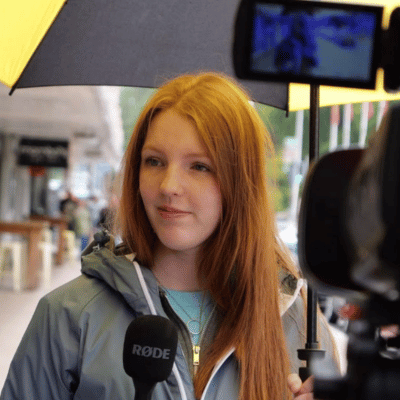
My immediate reaction to winning the Emerging Voices Awards was shock: I have never written anything journalistic before, so for my first article to be published in The Guardian is a huge honour. I now feel relieved as my article touches upon a major concern about medical records. It needs to be talked about more, and I hope this article can spur on change. I am thrilled to have won!

I work for the NHS and collaborate extensively with Oxford University’s Centre for Global Epilepsy, so I am familiar with medical record systems and their faults. My mum also has ovarian cancer, so it has become a very personal struggle that I wanted to talk about. Writing this article was incredibly cathartic.
Will Parman
Winner, 19-25 category

Runner-up: Emilie Stewart

Emilie’s article highlights the mental health crisis in the Scottish Highlands, where suicide rates often exceed national averages. Emilie calls for a rural-specific strategy, such as mobile therapy teams, to address the unique isolation of young Highlanders.

I’m so pleased to have come runner up in this year’s Emerging Voices Awards 19-25 category. My piece concerns such an important issue affecting people living in the Scottish Highlands and I hope that my writing can bring awareness to it. I decided to write about the suicide crisis around my hometown after seeing close up how a lack of mental health services can affect young people.
Emilie Stewart
Runner-up, 19-25 category

16–18 Age Category

Winner: Astrid Barltrop

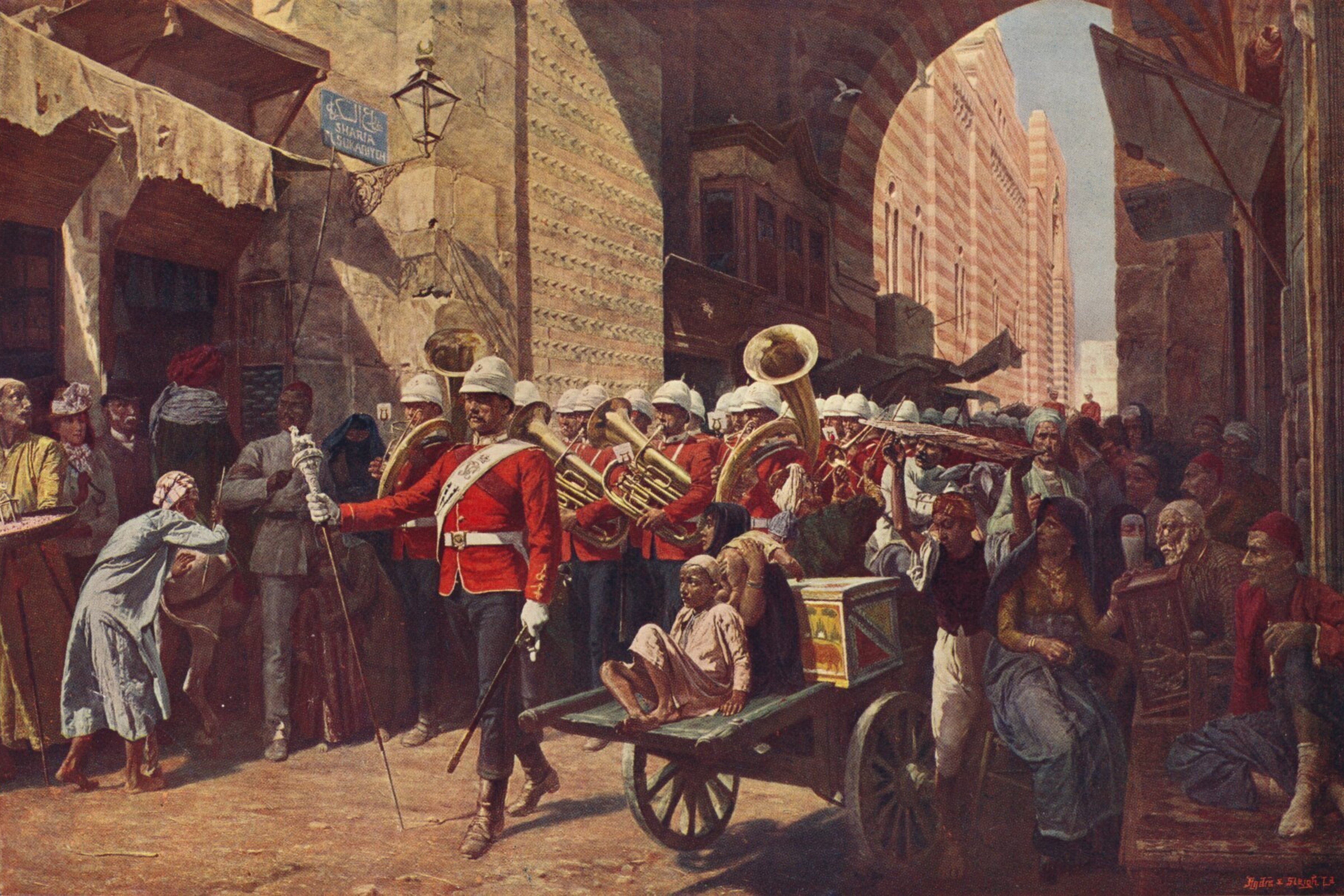
Astrid’s piece calls for reform to the UK history curriculum. She argues that students should move beyond "imperial nostalgia" to study critical colonial history, helping them understand the roots of modern migration and challenge divisive political narratives. The judges said this piece brought a fresh and compelling perspective to the widely discussed issue of colonial history in the curriculum.

I’m thrilled to have won the award and incredibly thankful to The Guardian Foundation for offering this kind of opportunity for state school students such as myself. To be published alongside journalists I look up to is really exciting. I wrote my article because I want there to be a radical overhaul of the history curriculum. There are so many students and teachers across the country who are fed up with the way colonial history is taught. I really hope I can help renew focus on the issue and that the government will actually listen to what academics, teachers and students have been saying for years.
Astrid Barltrop
Winner, 16-18 category

Runner-up: Lydia Davenport

Lydia’s piece explores how political rhetoric shapes public perception of immigration. She examines the "disjuncture between perception and reality" regarding migration figures and urges a move toward language that balances emotion with evidence.

I am honestly ecstatic with my place in this award. I really hope it demonstrates to other young people that our voice in politics is truly important and has real impact. I wrote my article because I am really passionate about how the language we use influences the decisions we make, and I feel like this isn't discussed enough. We have so many unconscious biases and it's so important to acknowledge things that may influence our views or encourage political polarisation.
Lydia Davenport
Runner-up, 16-18 category

This year’s awards had nearly 200 entries on a wide range of topics. From the ethics of AI, to national identity and systemic racism, issues were tackled thoughtfully and passionately, highlighting how important it is for young people from all backgrounds to have their voices heard.

Congratulations to everyone who took part. Thank you to judges Peter Walker, Lucy Knight, Barbara Speed, Becca AcAuley, Jason Okundaye, Polly Toynbee, April O'Neil and Aletha Adu.


Our Emerging Voices Awards form part of our mission to break down barriers to the media industry. By making journalism more inclusive, we amplify and celebrate voices that are too often excluded from the industry. However, as a charity, we cannot run vital programmes like this without support. Find out how you can help us reach more young people here.

Registered charity: 1153865